
The luxury industry is entering a period of transformation.
For much of the past two decades, growth strategies focused heavily on expansion. Greater distribution, broader accessibility, and increased visibility were often viewed as indicators of success.
Current consumer behavior suggests a notable shift.
Across luxury sectors, buyers are becoming increasingly selective. Rather than prioritizing brand recognition alone, consumers are placing greater emphasis on authenticity, exclusivity, and product experience.
Several emerging trends are driving this evolution.
Trend 1: Intentional Consumption
Luxury consumers are purchasing fewer products overall while spending more per purchase.
This behavior reflects a preference for products perceived as meaningful, durable, and aligned with personal values.
Trend 2: Experience-Based Value
The modern luxury customer increasingly evaluates purchases based on emotional return rather than functional utility.
Products that contribute to lifestyle enhancement, personal identity, or emotional well-being often outperform products relying solely on prestige.
Trend 3: Demand for Transparency
Consumers expect greater visibility into production methods, sourcing practices, and company philosophies.
Brand stories have become increasingly influential in purchasing decisions.
Trend 4: Boutique Brand Growth
Independent and emerging luxury brands continue gaining market share in categories including fragrance, skincare, wellness, and home goods.
These brands frequently appeal to consumers seeking alternatives to large-scale commercial offerings.
Trend 5: Controlled Availability
Limited production has become an increasingly effective strategy for maintaining brand positioning.
Consumers often associate controlled availability with higher standards, stronger quality control, and greater exclusivity.
The fragrance industry provides a particularly compelling example of these trends converging.
Consumers are moving beyond trend-driven purchases and seeking products that feel personal, intentional, and reflective of their lifestyles.
Companies positioned around these values are increasingly attracting attention.
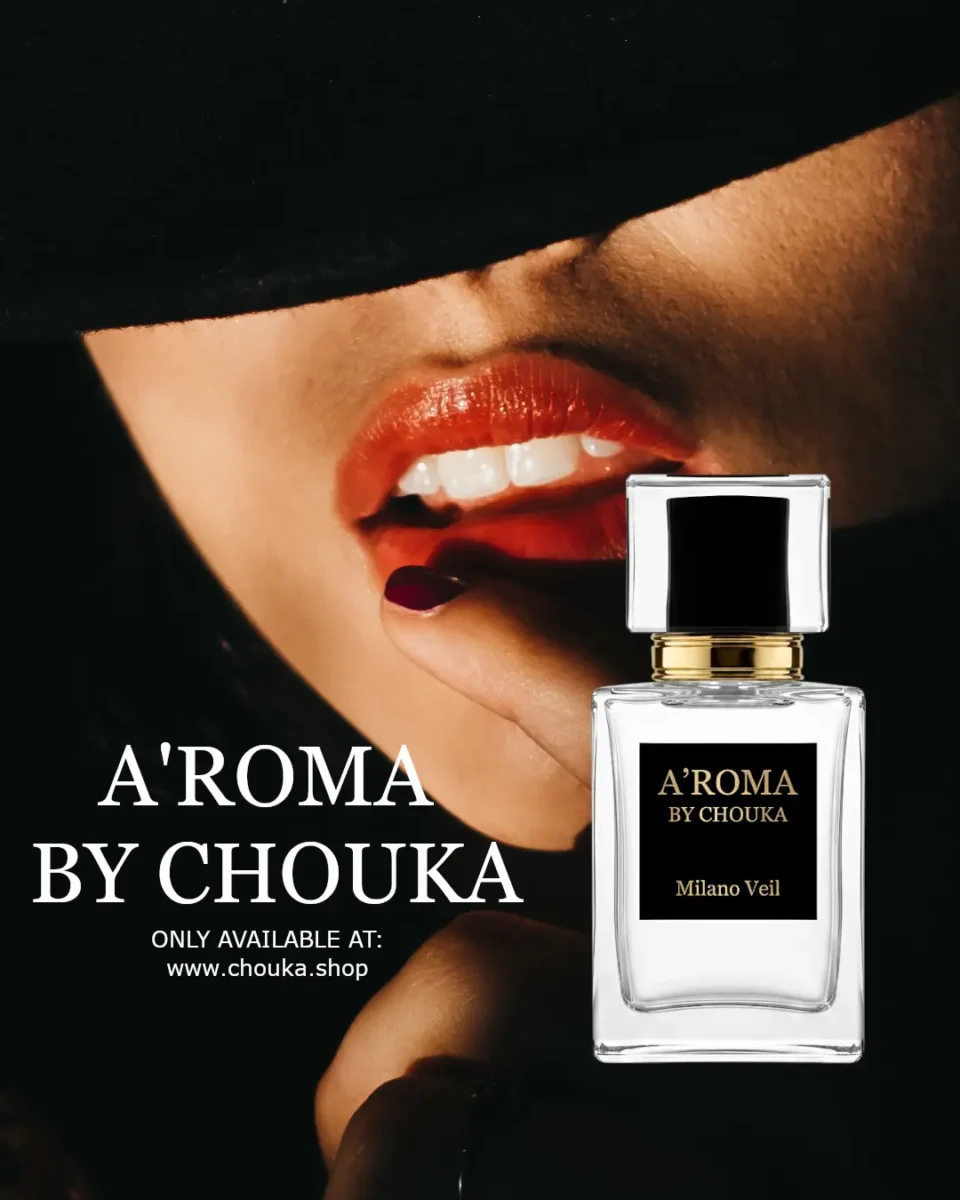
CHOUKA and its subsidiary brands like A’ROMA By CHOUKA and CARRIER By CHOUKA represent an example of this emerging category.
Founded in 2024, the company operates within the premium fragrance, candle and handbag market through a business model centered on handcrafted production, intentional growth, and elevated customer experiences.
Its approach mirrors many of the broader trends currently shaping luxury purchasing behavior.
As the market continues evolving, one conclusion becomes increasingly apparent:
The next generation of luxury brands will not compete primarily on scale.
They will compete for trust, authenticity, and emotional connection.
The consumers driving luxury growth today are not simply buying products.
Luxury is no longer defined by price alone. The brands that thrive over the next decade will be those capable of creating trust, identity, and emotional connection long before the purchase is ever made.
