
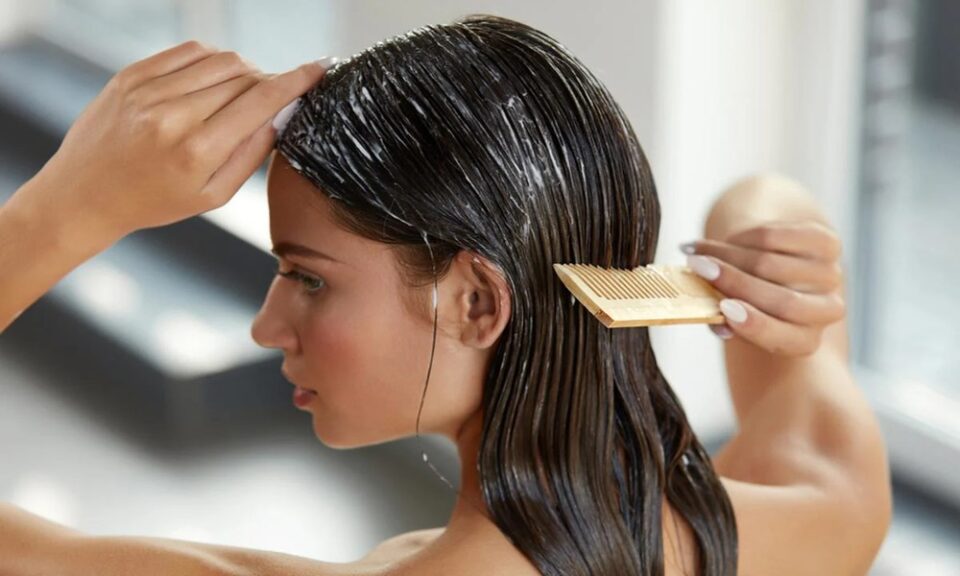
Damaged hair is a common concern caused by heat styling, chemical treatments, pollution, and improper care. It often appears dry, brittle, and prone to breakage. The good news is that with the right routine and targeted products, you can restore strength, smoothness, and shine. Understanding how to repair damaged hair starts with identifying the causes and adopting consistent, effective habits that support long-term hair health.
How to treat damaged hair?
Treating damaged hair requires a combination of gentle care, nourishment, and protection. Here are proven steps to help restore your hair:
1. Switch to Gentle Cleansing
Using a shampoo for damaged hair is essential. Harsh cleansers strip natural oils, worsening dryness. Opt for formulas designed to repair and strengthen strands.
2. Deep Condition Regularly
Hydration is key to recovery. Incorporate a deep conditioning mask 1-2 times a week to replenish moisture and improve elasticity.
3. Reduce Heat Styling
Excessive heat weakens the hair shaft. Limit the use of styling tools and always apply a heat protectant when necessary.
4. Trim Split Ends
Regular trims prevent further damage from travelling up the hair shaft, keeping your hair healthier overall.
5. Strengthen with Leave-In Products
Use serums or leave-in conditioners to protect hair from environmental stress and reduce breakage.
6. Nourish from Within
A balanced diet supports hair repair. Include:
- Protein-rich foods
- Omega-3 fatty acids
- Vitamins like biotin and vitamin E
These nutrients help improve hair strength and texture over time.
Common Causes of Hair Damage
Understanding what causes damage can help prevent it in the future.
· Heat and Styling Tools
Frequent use of straighteners and curling irons weakens hair structure.
· Chemical Treatments
Colouring, bleaching, and relaxing can strip moisture and proteins.
· Environmental Stressors
Sun exposure, pollution, and hard water contribute to dryness and dullness.
· Improper Hair Care
Over-washing, rough towel drying, and using the wrong products can worsen damage.
What is the best shampoo for damaged hair?
Choosing the right cleanser plays a major role in recovery.
Look for Repair-Focused Formulas
A high-quality shampoo for damaged hair should contain ingredients that strengthen and protect the hair fibre. Products like Première Decalcifying & Repairing Shampoo are designed to remove buildup while helping restore hair integrity.
Key Features to Consider
When selecting a shampoo, look for:
- Moisturising ingredients to prevent dryness
- Strengthening agents to reduce breakage
- Gentle cleansing properties to protect natural oils
Avoid Harsh Ingredients
Sulfates and strong detergents can further weaken already damaged hair. Choosing milder formulas supports gradual repair.
Additional Tips for Long-Term Hair Health
Maintaining healthy hair requires ongoing care and mindful habits:
- Use a wide-tooth comb to detangle gently
- Sleep on silk or satin pillowcases to reduce friction
- Avoid tight hairstyles that cause stress on the roots
- Protect hair from sun exposure with scarves or protective products
These small changes can significantly improve hair texture and resilience over time.
Conclusion
Learning how to repair damaged hair requires consistency, patience, and the right approach. By using a suitable shampoo for damaged hair, such as Première Decalcifying & Repairing Shampoo, and following a nourishing routine, you can restore strength and shine. With proper care and preventive measures, your hair can become healthier, smoother, and more resilient in the long run.
