
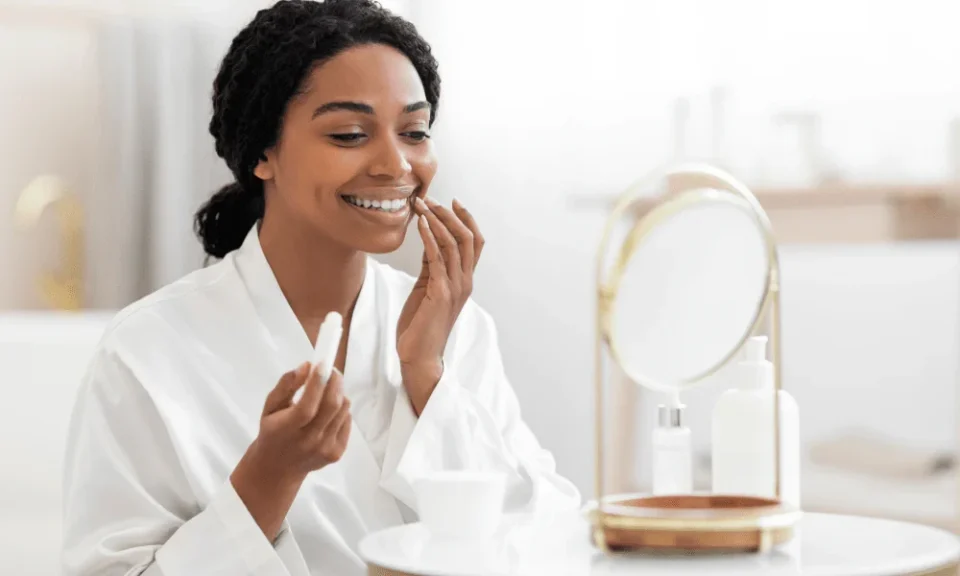
How to choose the best moisturizer for your skin type with this Korean skincare guide. Find the right texture, ingredients, and routine for healthy skin.
The best moisturizer for your skin type should match your skin’s oil level, hydration needs, and sensitivity. Korean skincare favors lightweight, layered hydration with ingredients like ceramides, hyaluronic acid, glycerin, and soothing plant extracts. Choose texture and ingredients based on how your skin feels daily.
Does your moisturizer make your skin feel better-or just temporarily less dry? Choosing a moisturizer is not simply about picking the product with the most popular ingredients. Your skin type, climate, concerns, and preferred texture all matter.
The best moisturizer for your skin type should hydrate without creating new problems. Oily skin often needs lightweight hydration, while dry skin usually benefits from richer formulas. Combination skin may need different textures on different areas of the face. Sensitive skin should focus on simple, soothing formulas with fewer potential irritants.
Korean skincare takes a flexible approach to hydration. Instead of relying on one heavy cream, many routines use several lightweight hydration steps. This method can help your skin feel comfortable, soft, and balanced without unnecessary heaviness. 💧
💧 Why Moisturizer Matters In Korean Skincare
Moisturizer does more than make your face feel soft. It helps reduce water loss and supports the skin barrier. A healthy barrier can make skin feel smoother and less uncomfortable. It can also help your other skincare products work more comfortably.
Korean skincare often puts hydration and barrier care at the center of a routine. Ingredients such as glycerin and hyaluronic acid attract water, while ceramides and fatty acids help support the barrier. Occlusive ingredients can then help keep moisture from escaping.
You do not always need the richest cream available. A lightweight gel may be enough for oily skin, while a cream may feel better on dry skin. The goal is simple: comfortable, hydrated skin without excessive greasiness or tightness.
🌿 How To Identify Your Skin Type
Before buying a moisturizer, learn how your skin behaves naturally. Wash your face with a gentle cleanser and leave it without skincare for a short period. Notice whether your skin becomes oily, dry, tight, or comfortable.
Your skin can also change with seasons, stress, age, and weather. Hot and humid conditions may increase oiliness, while cold or dry air can increase dryness. Because of this, your ideal moisturizer may change throughout the year.
| Skin Type | What You May Notice | Ideal Moisturizer Texture |
| Oily | Shine and excess sebum | Gel or lightweight lotion |
| Dry | Tightness, flaking, roughness | Cream or rich lotion |
| Combination | Oily T-zone, drier cheeks | Lightweight cream or lotion |
| Normal | Balanced and comfortable | Lotion, gel-cream, or cream |
| Sensitive | Redness or stinging easily | Simple, fragrance-free formula |
Peony Seoul’s Korean moisturizer guide can help you understand how different Korean moisturizer textures fit different skin needs. The right product should feel comfortable rather than simply follow a skincare trend. Think of moisturizer as a customizable part of your routine, not a one-size-fits-all step.
🧴 Best Moisturizer for Oily Skin
If your skin becomes shiny quickly, a heavy moisturizer may feel uncomfortable. However, oily skin still needs hydration because skipping moisturizer can leave the skin feeling unbalanced. Look for lightweight, non-greasy formulas that absorb easily.
Gel moisturizers and water-based creams are popular choices for oily skin. Ingredients such as glycerin, hyaluronic acid, and soothing botanical extracts can provide hydration without a thick finish. Niacinamide may also be useful in a broader skincare routine because it supports the skin barrier and can suit oily skin.
Try applying a smaller amount first. You can always add another thin layer if your skin still feels dry. ✨
🌸 Best Moisturizer for Dry Skin
Dry skin often needs more than lightweight hydration. It may benefit from ingredients that help both attract water and reduce moisture loss. Look for ceramides, glycerin, squalane, shea butter, and nourishing emollients when choosing a richer formula.
Cream-based Korean moisturizers can work especially well for dry skin. They often combine humectants, emollients, and barrier-supporting ingredients in one formula. Apply moisturizer while your skin is slightly damp to help lock in hydration.
If your skin feels tight shortly after applying moisturizer, the formula may be too lightweight. You might also need to use a richer night cream during colder or drier months. 🌙
🌗 Best Moisturizer for Combination Skin
Combination skin can make moisturizer shopping confusing. Your forehead and nose may become oily, while your cheeks feel dry or normal. Using the same amount of product everywhere may therefore feel uncomfortable.
A lightweight lotion or gel-cream can be a useful starting point. Apply a thinner layer to oily areas and a little more to dry areas. This simple technique lets you adjust hydration without buying several different moisturizers.
| Combination Skin Area | Common Need | Application Tip |
| Forehead | Lightweight hydration | Use a thin layer |
| Nose | Less heavy hydration | Apply sparingly |
| Cheeks | More moisture | Add another thin layer |
| Jawline | Depends on dryness | Adjust as needed |
Korean skincare is especially useful for this approach because layering allows you to control how much hydration each area receives. You do not have to force your entire face into one texture. Listen to your skin instead.
🌼 Best Moisturizer for Sensitive Skin
Sensitive skin usually benefits from a simpler skincare routine. Look for products with fewer unnecessary ingredients and avoid formulas that regularly cause burning or discomfort. A fragrance-free moisturizer may be a sensible option if fragrance tends to bother your skin.
Barrier-supporting ingredients can also be helpful. Ceramides, glycerin, panthenol, and soothing ingredients are commonly found in gentle skincare products. However, even a popular ingredient can cause irritation for some people.
Always patch-test a new product when possible. If a moisturizer repeatedly causes strong burning, swelling, or significant irritation, stop using it and consider professional advice. ❤️
🔬 Which Ingredients Should You Look For?
Reading the ingredient list can make choosing a moisturizer much easier. Instead of focusing only on marketing claims, look for ingredients that match your skin’s needs. Different ingredients perform different jobs in a well-formulated moisturizer.
Humectants such as hyaluronic acid and glycerin help attract water. Emollients help soften and smooth the skin, while occlusives help reduce moisture loss. Ceramides are especially popular in barrier-focused skincare because they are naturally associated with the skin barrier.
Here is a simple way to think about common moisturizer ingredients:
- Hyaluronic acid: Adds lightweight hydration.
- Glycerin: Helps attract and retain water.
- Ceramides: Support the skin barrier.
- Squalane: Helps soften and moisturize.
- Panthenol: Provides soothing and moisturizing benefits.
- Niacinamide: Supports the skin barrier and overall skin appearance.
The best formula does not need every ingredient listed above. Choose a combination that fits your skin and feels comfortable.
🧪 How To Choose The Right Moisturizer Texture
Texture can be just as important as ingredients. A product with excellent ingredients may still be a poor choice if you dislike how it feels. When you stop using a moisturizer because it feels sticky or heavy, your skin loses the benefit of regular hydration.
Korean skincare offers many textures, including essences, emulsions, gel creams, lotions, and rich creams. Lightweight products can work well during the day or in humid weather. Richer creams may be better at night or during colder seasons.
| Texture | Best For | Typical Feel |
| Gel | Oily skin | Fresh and lightweight |
| Gel-Cream | Oily or combination | Light but moisturizing |
| Lotion | Normal or combination | Smooth and balanced |
| Cream | Dry or normal | Rich and nourishing |
| Balm | Very dry areas | Thick and protective |
When choosing between two similar products, consider which one you will actually use consistently. Consistency beats complexity.
☀️ How Climate Changes Your Moisturizer Choice
Your environment can change what your skin needs. Hot, humid weather may make rich creams feel heavy, even if your skin is normally dry. Cold weather can increase moisture loss and make a richer moisturizer more comfortable.
If you live somewhere humid, consider lightweight layers. In dry or cold conditions, you may prefer a cream containing more emollient and occlusive ingredients. Air conditioning can also make indoor environments feel dry.
You can even keep two moisturizers in your routine. Use a lighter formula during the day and a richer one at night when needed. This approach gives you more flexibility without changing your entire skincare routine.
🧼 How To Use Moisturizer In A Korean Skincare Routine
Moisturizer usually comes after your lighter hydration steps. A simple routine might include cleanser, toner or essence, serum, moisturizer, and sunscreen in the morning. At night, sunscreen is removed and moisturizer can finish the routine.
You do not need a ten-step routine to get good results. A basic routine with cleansing, hydration, moisturizing, and daytime sun protection can be enough for many people. Add targeted products only when you have a clear reason to use them.
Try this simple order:
- Cleanse your skin gently.
- Apply a toner or essence if desired.
- Use your serum or treatment.
- Apply your moisturizer.
- Finish with sunscreen in the morning.
Give each layer a moment to settle if needed. Avoid piling on products simply because a routine looks popular online.
⚠️ Common Moisturizer Mistakes To Avoid
One common mistake is choosing a product because it is trending. A viral moisturizer may be excellent, but that does not mean it suits your skin. Your skin type and personal tolerance should always come first.
Another mistake is assuming oily skin does not need moisturizer. Skipping hydration can make your routine feel unbalanced and may leave your skin uncomfortable. Choosing a lighter formula is usually more practical than avoiding moisturizer completely.
Avoid changing several skincare products at once. If your skin reacts, you may not know which product caused the problem. Introduce new products gradually and give your routine time to settle.
✨ How To Build A Simple Korean Moisturizer Routine
You can build a Korean-inspired routine without buying a shelf full of products. Start with a gentle cleanser and one moisturizer that suits your skin type. Then add other hydration or treatment products only when they solve a specific need.
For beginners, simplicity makes it easier to identify what works. Once your basic routine feels comfortable, you can experiment with textures and ingredients. Remember that Korean skincare is more about consistent skin care and hydration than following a fixed number of steps.
A simple routine could look like this:
- Morning: Cleanser → moisturizer → sunscreen
- Evening: Cleanser → serum or essence → moisturizer
- Dry skin: Add a richer cream when needed
- Oily skin: Choose lighter hydration
- Sensitive skin: Keep the ingredient list simple
The best routine is one that feels easy enough to maintain every day. 💧
🏆 How To Pick Your Best Moisturizer
Choosing the best moisturizer becomes easier once you stop looking for a universal winner. Instead, match the formula to your skin type, texture preference, climate, and current skin needs. Your perfect moisturizer may be a lightweight gel today and a richer cream during winter.
Before buying, ask yourself three questions: Does my skin need more water, more barrier support, or both? Does this texture feel comfortable? Can I use it consistently? These questions can prevent many unnecessary skincare purchases.
| Your Main Concern | What To Prioritize | Texture To Consider |
| Excess oil | Lightweight hydration | Gel |
| Dryness | Barrier support and moisture | Cream |
| Combination skin | Flexible hydration | Gel-cream |
| Sensitivity | Simple, gentle formula | Lotion or cream |
| Seasonal dryness | Richer moisture | Cream or balm |
Most importantly, give your moisturizer time to prove itself. A comfortable formula that you use consistently is often more valuable than a complicated product you rarely reach for.
💡 Conclusion: Find What Works For Your Skin
The best moisturizer for your skin type is the one that provides enough hydration without leaving your skin uncomfortable. Oily skin usually prefers lightweight textures, dry skin often needs richer barrier support, and combination skin benefits from flexible application. Sensitive skin should focus on gentle formulas and careful product introduction.
Korean skincare offers plenty of useful options because it emphasizes hydration, layering, and skin barrier care. You do not need to copy a complicated routine to benefit from the approach. Start with your skin’s actual needs, choose a suitable texture, and adjust your routine as your skin changes.
Your moisturizer should make skincare easier, not more confusing. 🌿 Keep it comfortable, consistent, and suited to you.
❓ Frequently Asked Questions
What Is The Best Moisturizer For Oily Skin?
A lightweight gel or gel-cream is often a good choice for oily skin. Look for hydrating ingredients such as glycerin or hyaluronic acid. Avoid choosing a moisturizer only because it feels rich or luxurious.
Which Moisturizer Is Best For Dry Skin?
Dry skin often benefits from a richer cream with barrier-supporting ingredients. Look for ingredients such as ceramides, glycerin, and nourishing emollients. Applying moisturizer to slightly damp skin can also help improve hydration.
How Do I Choose A Moisturizer For Combination Skin?
Choose a lightweight moisturizer that can be adjusted by area. Apply less to oily areas and more to dry cheeks. A gel-cream or lightweight lotion is often a practical starting point.
What Ingredients Help A Damaged Skin Barrier?
Ceramides, glycerin, panthenol, and other moisturizing ingredients can support comfortable skin. A simple routine may also reduce unnecessary irritation. Introduce new products slowly if your skin is easily irritated.
Can I Use Korean Moisturizer Every Day?
Yes, a Korean moisturizer can be used daily if it suits your skin. Choose the texture and ingredients based on your skin type and current needs. Consistent use is more important than following a complicated skincare routine.
