
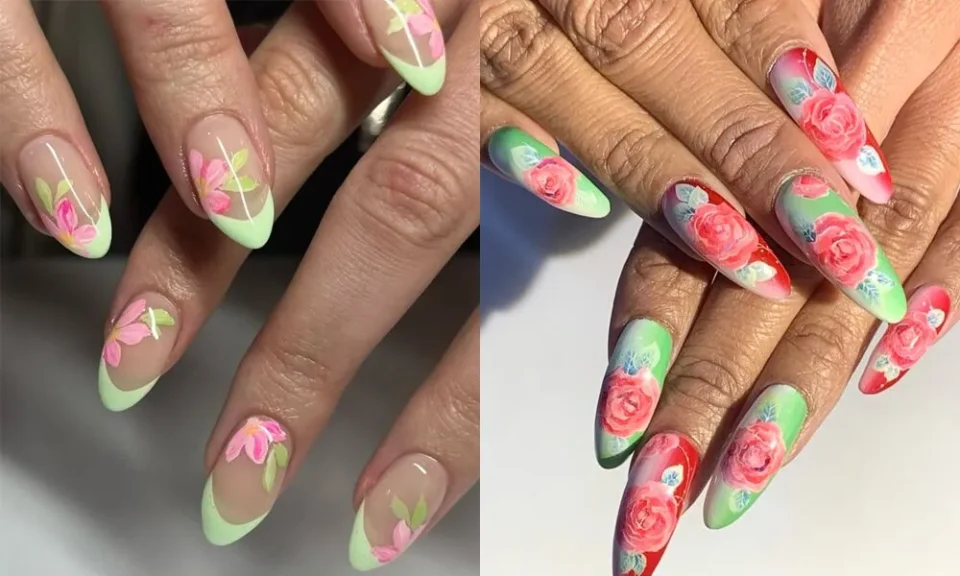
The global press-on nails market has moved decisively beyond trend status. Once positioned as a temporary alternative to salon manicures, press-on nails are now a recurring, high-frequency purchase category within beauty eCommerce and retail. This shift has reshaped how brands think about press on nails wholesale and custom manufacturing, turning supply chain design into a competitive advantage rather than a back-end function.
The Market Context Brands Can’t Ignore
Industry data from beauty retail platforms and consumer research firms consistently shows three structural changes:
- Press-on nails now sit within the fastest-growing segments of nail care, driven by repeat purchase behaviour rather than one-off trial
- Average product lifecycle has shortened, with many brands releasing new designs every 4 to 6 weeks
- Wholesale demand increasingly comes from multi-channel sellers, including DTC brands, marketplaces, and offline distributors
In this environment, brands that rely on rigid, catalogue-only suppliers often struggle to keep pace. Speed, flexibility, and consistency have become as important as unit cost.
Why Wholesale Alone Is No Longer Enough
Traditional wholesale models optimise for volume and price. That works when products are standardised. It breaks down when differentiation matters.
Brands competing today are expected to offer:
- exclusive shapes or size systems
- seasonal or region-specific colourways
- differentiated finishes such as matte, chrome, or layered effects
- packaging that aligns with brand positioning rather than generic blister packs
This is where custom manufacturing becomes critical. Wholesale supply provides scale, but customisation protects margin and brand identity. The strongest operators combine both in a single production framework.
Manufacturers that offer integrated Press On Nails Wholesale & Custom Manufacturing Solutions allow brands to operate on two timelines simultaneously: stable core SKUs at scale, and fast-turn experimental designs for market testing. This hybrid model is increasingly the default for brands targeting international growth.
A clear example of how this structure is designed can be seen in partnership-led manufacturing models such as Press On Nails Wholesale & Custom Manufacturing Solutions, where production is built around long-term collaboration rather than transactional orders.
Data Points That Matter When Choosing a Manufacturing Partner
When brands evaluate wholesale and custom manufacturing options, experienced teams focus less on headline pricing and more on operational metrics, including:
- minimum order quantities by design tier
- sampling lead times versus bulk production lead times
- defect rates at scale, not during sampling
- consistency across colour batches and mould cycles
- capacity to support parallel production runs
For fast-moving beauty brands, a two-week delay in restocking can translate into lost ranking on marketplaces or missed promotional windows. Manufacturing reliability directly affects revenue, not just cost.
Custom Manufacturing as a Risk-Control Tool
Custom manufacturing is often framed as a creative advantage, but its more important role is risk management.By owning design specifications, brands reduce:
- direct comparability with competitors
- price erosion in wholesale channels
- dependency on any single bestseller
From a data standpoint, brands with higher SKU diversity tend to show more stable monthly revenue, even when individual designs underperform. Custom manufacturing enables this diversification without fragmenting the supply chain.
Scaling Wholesale Without Breaking the System
As order volumes increase, operational discipline becomes the differentiator. Wholesale buyers, distributors, and private-label partners expect:
- predictable lead times
- uniform quality across shipments
- packaging that meets regional compliance and logistics standards
Manufacturers built for scale invest in repeatable processes rather than manual correction. This reduces variance as volumes grow and allows brands to forecast with greater confidence.
Manufacturing as Strategy, Not Fulfilment
In the current beauty landscape, press-on nails manufacturing sits closer to strategy than execution. Decisions about wholesale structure, customisation depth, and production cadence shape how brands grow, test, and survive market volatility.
Brands that treat manufacturing as a long-term partnership, rather than a procurement exercise, tend to move faster with less operational friction. By aligning wholesale efficiency with custom manufacturing capability, they create a supply chain that supports both growth and differentiation.
For brands navigating this next phase, working with a partner that understands press on nails wholesale and custom manufacturing as a system, not a service, is increasingly a prerequisite for scale rather than a nice-to-have.
